The Ebola disease outbreak currently unfolding in the Democratic Republic of the Congo (DRC) and Uganda, caused by the Bundibugyo ebolavirus, represents one of the most complex public health challenges of 2026. Since the outbreak was officially declared in May, the situation has evolved rapidly, with cumulative case counts in the DRC surpassing 1,400 confirmed infections by early July. This crisis is distinguished not only by its rapid transmission but by the unique biological and logistical hurdles posed by the Bundibugyo strain—a pathogen for which, unlike the more common Zaireebolavirus, there are currently no approved vaccines or specific therapeutic treatments.
The Evolving Situation: A Regional Perspective
As of July 8, 2026, the DRC has reported a total of 1,759 confirmed cases, resulting in 600 deaths. The outbreak is primarily concentrated in the Ituri and North Kivu provinces, with transmission occurring across dozens of health zones. In Uganda, the response has been comparatively successful; while 20 confirmed cases and two deaths were initially recorded, authorities have reported no new cases of community transmission since late June, thanks to aggressive contact tracing and surveillance.
The outbreak’s reach, however, has extended beyond Central Africa. Imported cases—cases of individuals who contracted the virus in affected regions of the DRC before traveling—have been identified in the United States, Germany, and France. While these instances have not sparked sustained community outbreaks in those nations, they underscore the high global mobility of the current crisis and the necessity for vigilance at international ports of entry.
Why This Outbreak Is Uniquely Challenging
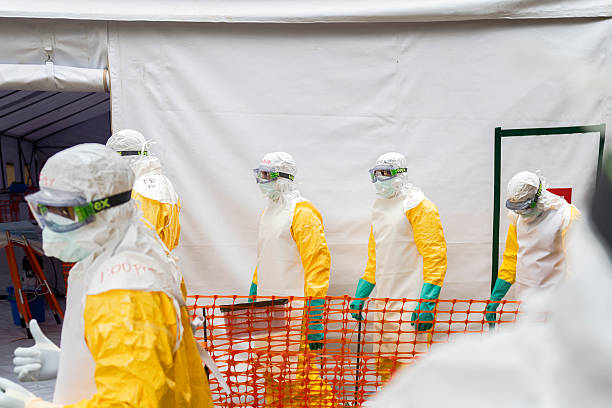
The Bundibugyo strain of the Ebola virus creates a much narrower margin for error in clinical and public health responses. The absence of licensed vaccines or standardized monoclonal antibody treatments—tools that were instrumental in curbing recent Zaire ebolavirus epidemics—shifts the burden of control entirely onto "traditional" methods: rapid case identification, rigorous isolation, contact tracing, and the enforcement of infection prevention and control (IPC) protocols.
The response is further complicated by the "security-health paradox." The regions most heavily affected in the DRC are characterized by long-standing conflict, humanitarian crises, and highly mobile populations. This environment frequently obstructs the work of response teams, limits access to safe healthcare for local communities, and hinders the transport of laboratory samples necessary for rapid diagnosis.
Operational and Community-Based Hurdles
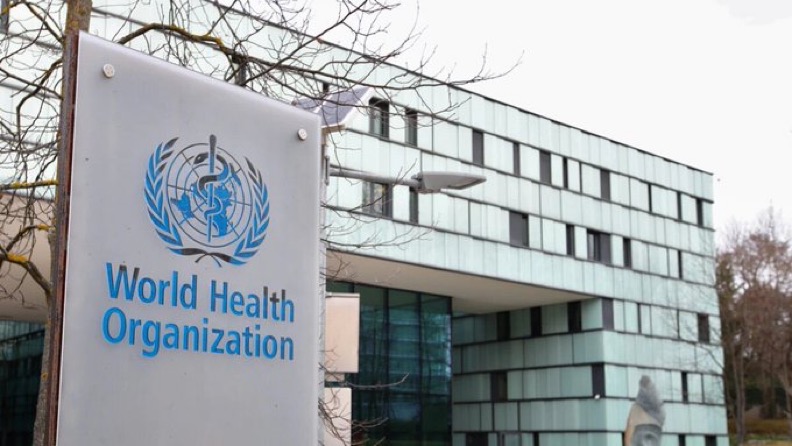
Dr. Tedros Adhanom Ghebreyesus, Director-General of the World Health Organization (WHO), has been candid about the early stages of the response, noting that the virus had a significant "head start" before containment efforts could be fully scaled. The control of this epidemic is hindered by several persistent obstacles:
-
Surveillance Gaps: In zones defined by insecurity, contact tracing remains a monumental challenge. While digital tools have been deployed to harmonize data, physical access to communities remains restricted.
-
Community Engagement and Trust: Misinformation remains a primary driver of resistance. In many areas, suspicion toward response teams and a lack of belief in the reality of the outbreak have complicated safe burial practices and clinic attendance. Building trust is not a peripheral activity; it is, as Dr. Tedros emphasized, as important as the biomedical response itself.
-
Diagnostic Limitations: PCR-based diagnostic kits for the Bundibugyo virus have historically been in short supply. Delays in confirming cases translate into delays in isolation, which inherently increases the window of potential transmission.
The Path Forward: A Call for Unified Leadership
The WHO, working in tandem with the Africa Centres for Disease Control and Prevention (Africa CDC), has advocated for a transition from reactive emergency management to a more sustained, decentralized response. This involves not only expanding treatment capacity—with hundreds of beds now available in isolation centers—but also integrating the response into the broader humanitarian framework of the region.
The strategy for ending this outbreak rests on four pillars: leadership, community ownership, partnership, and trust. Furthermore, the international community has shifted its focus toward the development of emergency clinical trials for Bundibugyo-specific therapeutics. These trials represent a critical hope for changing the survival statistics of patients currently receiving intensive supportive care.
Ultimately, the goal of the current response is twofold: to extinguish the Bundibugyo outbreak through rigorous adherence to clinical and surveillance standards, and to utilize the infrastructure built during this crisis to strengthen the region’s overall health security. The commitment to supporting health services in affected provinces long after the last case is declared reflects a strategic shift toward long-term preparedness, acknowledging that the environmental and behavioral conditions which lead to the spillover of hemorrhagic fevers must be addressed at their source.