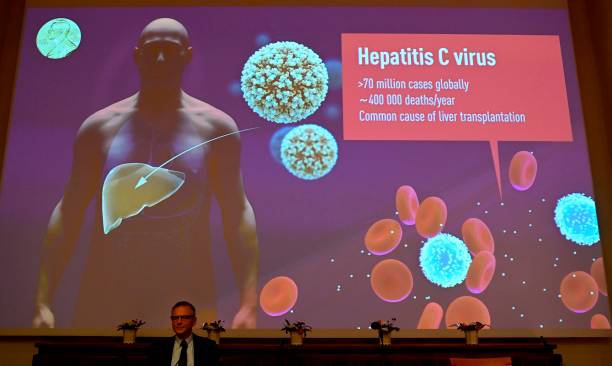
LONDON — England is officially on track to become one of the first nations in the world to eliminate hepatitis C as a major public health threat. Official public health data released by NHS England demonstrates that the nation has already surpassed key target milestones set by the World Health Organization, placing the country years ahead of the international 2030 eradication deadline.
The historic progress follows a decade-long, multi-billion-pound coordinated health intervention that combined innovative diagnostic pipelines with direct-acting antiviral therapies. According to national health registries, NHS England has successfully identified, diagnosed, and treated over 100,000 individuals living with chronic hepatitis C since 2015.
With disease-related mortality dropping by 36 percent over the last decade and the vast majority of infected individuals successfully cleared of the pathogen, public health officials and medical charities describe the achievement as a landmark milestone in modern disease control.
Targeted Screening Innovations: Uncovering the Silent Epidemic
The primary driver behind England's rapid progress lies in the deployment of aggressive, low-barrier diagnostic strategies engineered to identify undiagnosed carriers across diverse demographic groups.
Hepatitis C is widely characterized by medical professionals as a silent disease because infected individuals frequently experience no noticeable symptoms for decades while the virus systematically damages hepatic tissue. By the time clinical symptoms like jaundice, chronic fatigue, or abdominal fluid retention appear, patient liver damage is often advanced.
To overcome this diagnostic bottleneck, NHS England launched widespread screening programs across emergency departments, general practitioner registration workflows, community drug support services, and custodial facilities.
In addition to hospital-based point-of-care screening, health authorities introduced free, confidential, home-based self-testing kits accessible directly through digital portals without requiring a doctor’s referral.
These diagnostic measures have proven essential in reaching high-risk populations, including individuals with a history of substance use, recipient populations of historical blood transfusions, and adult immigrants originating from regions with historically elevated healthcare-associated infection rates.
Specifically, public health campaigns have actively encouraged testing among adults born in Central and Eastern European nations—such as Ukraine, Romania, Poland, Albania, and Slovakia—who may have been exposed to contaminated medical or dental equipment prior to the adoption of modern sterilization protocols in the early 1990s.
Modern Therapeutics and Diagnostic Milestones: The Path to Total Eradication
The clinical cornerstone of the elimination strategy centers on the rapid administration of highly effective direct-acting antiviral medications that cure the infection in over 95 percent of cases.
Unlike historical treatments that relied on long, physically demanding courses of interferon injections with severe side effects, modern hepatitis C therapeutic regimens consist of daily oral antiviral tablets taken over a brief eight to twelve-week period.
These drugs directly inhibit viral replication enzymes, allowing the patient's immune system to permanently clear the virus with minimal adverse side effects.
Through rapid treatment deployment, NHS England has successfully met the World Health Organization mandate of providing curative care to over 80 percent of all known diagnosed cases.
Current epidemiological estimates for 2024 indicate that approximately 50,200 adults in England are living with chronic hepatitis C, with an estimated 84.6 percent of that population officially diagnosed.
While this figure falls just short of the 90 percent diagnostic target, active outreach programs and home-testing initiatives are expected to close the remaining gap within months.
Furthermore, while the 36 percent reduction in hepatitis C-related deaths remains below the ultimate 65 percent mortality reduction target compared to 2015 baselines, epidemiological modeling projects that accelerated treatment rates will drive liver failure and liver cancer death rates down sharply before the end of the decade.
Direct-Acting Antivirals, Hepatic Cirrhosis, and WHO Elimination Benchmarks
Understanding the scientific and administrative mechanics of this public health victory requires a clear breakdown of medical terminology, viral pathology, and global disease benchmarks.
Direct-Acting Antivirals represent a revolutionary class of targeted pharmaceutical agents designed to halt viral multiplication by binding directly to specific non-structural proteins within the hepatitis C virus. By targeting essential viral enzymes like NS3/4A protease and NS5B polymerase, these medications stop the virus from replicating inside liver cells, enabling complete viral clearance and preventing transmission to others.
Hepatic Cirrhosis and Hepatocellular Carcinoma refer to the dangerous long-term consequences of untreated chronic hepatitis C infection. Persistent viral replication causes ongoing inflammation in liver tissue, leading to progressive scarring known as cirrhosis. Over time, extensive scar tissue impairs normal liver function, leading to liver failure, portal hypertension, and a dramatically increased risk of developing primary liver cancer, known clinically as hepatocellular carcinoma. Curative treatment at an early stage arrests tissue scarring and allows the liver to regenerate.
WHO Elimination Benchmarks represent standardized global targets established by the World Health Organization to eliminate viral hepatitis as a public health threat by 2030. To achieve official elimination status, a nation must demonstrate a 90 percent reduction in new chronic infections, a 65 percent reduction in hepatitis-related mortality compared to 2015 levels, a 90 percent diagnosis rate among infected individuals, and the treatment of at least 80 percent of diagnosed patients.
From Pathogen Discovery to Global Leadership
The journey from identifying the hepatitis C virus to achieving national elimination thresholds represents one of the fastest clinical achievements in modern medical history.
In 1989, medical researchers officially identified and isolated the hepatitis C virus, solving the mystery of non-A, non-B hepatitis that had previously affected thousands of blood transfusion recipients worldwide.
By 1991, developed nations, including the United Kingdom, implemented mandatory viral screening across all donated blood supplies and organ transplant networks, effectively eliminating healthcare-acquired transmission via blood products.
In 2014, regulatory agencies approved the first generation of oral direct-acting antiviral medications, transforming hepatitis C from a chronic, life-threatening condition into a easily curable infection.
By 2015, the World Health Assembly established its global strategy to eliminate viral hepatitis by 2030, prompting the UK government and NHS England to launch a coordinated national elimination initiative backed by strategic drug procurement deals.
In 2019, NHS England negotiated a landmark procurement agreement with major pharmaceutical manufacturers, securing bulk access to curative antiviral therapies at significantly reduced costs in exchange for aggressive national patient-finding commitments.
By mid-2026, NHS England confirmed that it had surpassed the 80 percent treatment milestone and successfully treated over 100,000 citizens, positioning the nation to achieve full elimination well ahead of the 2030 target date.
Severe Healthcare Cost Reductions and Social Equity Realizations
The near-complete elimination of hepatitis C carries profound long-term economic, social, and operational benefits for public health infrastructure and vulnerable communities.
From an economic perspective, curing chronic viral infections delivers massive savings for state-funded healthcare budgets. Treating advanced liver disease, managing chronic cirrhosis, and performing end-stage liver transplants represent some of the most costly interventions in tertiary medicine.
By investing in early diagnostic screening and short-term oral therapies, health authorities prevent thousands of expensive hospital admissions, surgical interventions, and long-term oncology treatments, saving hundreds of millions of pounds for the National Health Service over the coming decades.
From a social equity and human rights standpoint, the elimination campaign successfully bridges severe healthcare disparities. Chronic hepatitis C historically disproportionately affected socioeconomically marginalized populations, including individuals experiencing homelessness, people with history of substance dependency, and institutionalized populations.
By embedding testing and treatment directly into community centers, harm reduction clinics, and correctional facilities, the NHS has demonstrated that high-tier curative medicine can be delivered equitably to vulnerable citizens without stigma or structural barriers.
Lessons for African Health Systems and International Disease Control
England's victory over hepatitis C offers critical operational blueprints and policy lessons for international health authorities, particularly across Sub-Saharan Africa and developing economies where viral hepatitis remains a major unaddressed burden.
Across West Africa, including Nigeria, viral hepatitis B and C present severe public health challenges, with millions of individuals living as chronic undiagnosed carriers due to limited diagnostic access, elevated pharmaceutical costs, and insufficient screening infrastructure.
The success of England’s initiative highlights the vital importance of deploying low-cost point-of-care diagnostic tools, implementing non-stigmatizing screening protocols, and securing bulk national drug pricing agreements to make curative therapies widely accessible across rural and urban primary healthcare networks.
On the international stage, England’s milestone demonstrates that ambitious global health goals can be achieved ahead of schedule when political will, innovative procurement models, and low-barrier diagnostic networks align.
As developing nations work toward the WHO 2030 targets, the public health strategies validated by NHS England provide a proven operational framework for eradicating blood-borne pathogens, proving that targeted public health investments can permanently eliminate historical diseases from modern society.