NEW ORLEANS — State health departments across the United States Gulf Coast have issued urgent public safety advisories following a sharp, deadly increase in Vibrio vulnificus infections. Louisiana health officials confirmed nine verified cases of the virulent bacterial pathogen within the state’s coastal boundaries this year, resulting in nine hospitalizations and five fatalities.
This mortality rate marks a dramatic departure from historical baseline metrics, where Louisiana recorded a ten-year average of seven cases and a single death during the same reporting period.
The alarming surge in severe cases extends across neighboring coastal jurisdictions. Florida health registries have recorded fourteen confirmed Vibrio vulnificus infections and two deaths year-to-date, putting the region on track to match or exceed historical peaks typically associated with major tropical storm impacts.
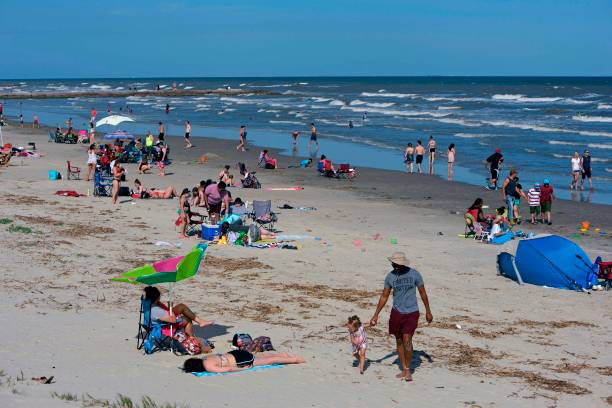
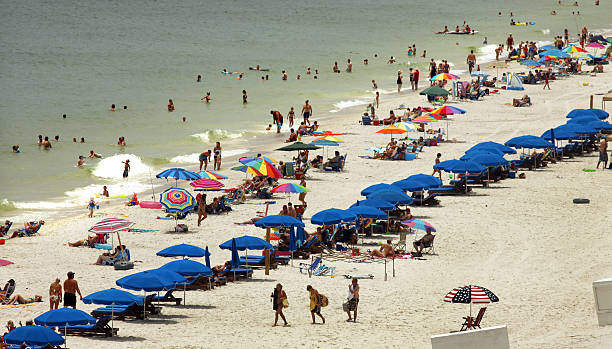
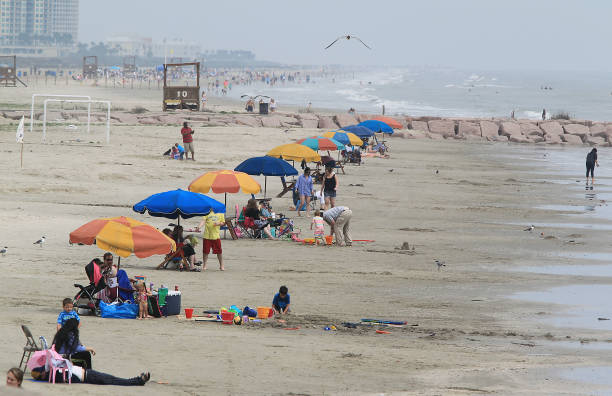
With surface water temperatures across the Gulf of Mexico reaching record highs throughout the summer months, public health epidemiologists warn that the optimal environmental parameters for bacterial proliferation have created an elevated exposure risk for beachgoers, commercial seafood handlers, and coastal residents.
Environmental Proliferation and Pathographic Mechanisms: How the Gulf Becomes a Breeding Ground
The geographical concentration of Vibrio vulnificus along the Gulf Coast is driven by a precise confluence of marine salinity, water temperature, and coastal hydrology.
Unlike many freshwater pathogens, Vibrio species thrive in warm, nutrient-dense seawater and brackish environments where ocean brine mixes with freshwater river discharge in estuaries, bays, and coastal lagoons. Bacterial replication cycles accelerate rapidly when water temperatures exceed 20 degrees Celsius (68 degrees Fahrenheit), reaching maximum density between May and October.
The low-salinity, high-temperature profile of Gulf Coast waters provides an ideal biological environment for the bacteria to flourish near shoreline recreational areas.
Transmission to humans occurs primarily through two distinct physiological pathways: cutaneous contact with contaminated marine water or the ingestion of raw, undercooked shellfish. When individuals wade, swim, or work in coastal waters, the bacteria exploit microscopic disruptions in the cutaneous barrier.
Even minor skin abrasions, recent insect bites, unhealed surgical incisions, fresh body piercings, or new tattoos serve as direct entry portals for the pathogen. Once inside subcutaneous tissue, the bacteria release aggressive toxins that cause rapid tissue breakdown, microvascular thrombosis, and fulminant necrotizing infections that require immediate emergency medical intervention.
High-Risk Demographic Vulnerabilities and Clinical Progression Warnings
While healthy individuals exposed to Vibrio vulnificus may experience localized wound infections or mild gastrointestinal distress, vulnerable demographic groups face catastrophic clinical outcomes.
Medical experts highlight that severe, life-threatening manifestations—such as necrotizing fasciitis and primary septicemia—disproportionately strike elderly patients, immunocompromised individuals, and patients with underlying chronic conditions, including diabetes, end-stage renal disease, and particularly chronic liver diseases like cirrhosis or hepatitis.
The physiological link between liver disease and elevated Vibrio mortality is particularly pronounced. Individuals with compromised liver function or elevated serum iron levels lack the proper transferrin regulation required to sequester free iron in the bloodstream. Vibrio vulnificus utilizes this available iron to accelerate its replication rate and evade host immune responses, leading to systemic bacterial invasion.
In high-risk patients, the progression from initial wound exposure to septic shock can occur in under 24 hours. Early clinical indicators include rapidly spreading erythema, severe pain out of proportion to the physical injury, localized warmth, fever, chills, and the formation of dark, fluid-filled bullae that signal advancing tissue necrosis.
Necrotizing Fasciitis, Septicemia, and Brackish Ecosystem Mechanics
Understanding the clinical severity and environmental dynamics of Gulf Coast bacterial surges requires a clear evaluation of epidemiological terms, pathophysiological processes, and marine biology.
Necrotizing Fasciitis refers to a severe, rapidly progressing soft-tissue infection that destroys subcutaneous fat, muscle tissue, and overlying skin. When Vibrio vulnificus enters an open wound, it secretes extracellular enzymes—including metalloproteases and cytolysins—that degrade collagen and break down cellular membranes. This enzymatic destruction cuts off local blood supply, causing rapid tissue necrosis that frequently necessitates emergency surgical debridement or limb amputation to prevent fatal systemic collapse.
Primary Septicemia is a severe bloodstream infection that occurs when bacteria breach local tissue defenses, enter the cardiovascular system, and multiply rapidly throughout the body. In Vibrio cases resulting from raw oyster ingestion or severe wound penetration, systemic bacteremia triggers a massive inflammatory response. This host immune reaction causes widespread vascular leakage, a precipitous drop in blood pressure known as septic shock, multi-organ failure, and a mortality rate exceeding 20 percent even with aggressive intensive care unit management.
Brackish Hydrology defines coastal water environments formed when ocean saltwater mixes with freshwater runoff from rivers, streams, and coastal marshes. These estuarine environments maintain intermediate salinity levels, typically ranging from 0.5 to 30 parts per thousand. This precise chemical balance, combined with shallow depths that absorb solar radiation and trap organic nutrients, creates the primary biological ecosystem where Vibrio species achieve peak growth concentrations.
From Coastal Endemicity to Northward Climate Migration
The epidemiological trajectory of Vibrio vulnificus has shifted dramatically over the past several decades as changing climate patterns and extreme weather events alter marine ecosystems.
Historically, Vibrio infections were recognized as localized, seasonal health risks confined almost exclusively to warm southern waters in the Gulf of Mexico and South Atlantic states. Public health monitoring through the twentieth century consistently showed predictable seasonal spikes during late summer months, with cases declining sharply as autumn water temperatures dropped.
Over the past twenty years, the geographic footprint of Vibrio infections has expanded significantly northbound along the Atlantic seaboard. Peer-reviewed environmental studies published in 2023 demonstrated that the northernmost limit of Vibrio vulnificus wound infections has shifted northward by approximately 30 miles (48 kilometers) per year. Pathogen clusters are now routinely documented in mid-Atlantic and Northeast coastal states, including Maryland, New Jersey, and Connecticut, where warm estuarine waters were historically inhospitable to the organism.
Concurrently, historical health records reveal a direct correlation between major tropical storms, hurricanes, and post-disaster infection spikes. Following major hurricane landfalls, storm surges push high-salinity marine waters deep into inland coastal communities, flooding residential infrastructure and exposing emergency responders, cleanup crews, and displaced residents to contaminated floodwaters filled with debris that causes sharp, entry-creating wounds.
Public Health Infrastructure, Emergency Medical Protocols, and Economic Impacts
The escalating frequency and severity of Vibrio vulnificus cases along the Gulf Coast carry severe consequences for regional healthcare systems, coastal economies, and the commercial seafood industry.
From an emergency healthcare perspective, the rapid clinical progression of Vibrio requires immediate, specialized diagnostic awareness among triage nurses, emergency physicians, and primary care providers. Because the window for effective antibiotic intervention is exceptionally narrow, delays in recognizing the link between a rapidly reddening wound and recent seawater exposure can mean the difference between minor localized healing and fatal septic shock. Healthcare systems along the Gulf must maintain heightened clinical vigilance, ensuring that empirical antibiotic therapy combining third-generation cephalosporins and doxycycline is initiated immediately upon clinical suspicion.
From an economic standpoint, bacterial surges directly impact the commercial fishing and hospitality sectors. The Gulf Coast oyster industry, which generates hundreds of millions of dollars in regional economic activity, faces severe regulatory oversight, harvest closures, and reduced consumer confidence when raw oyster consumption is linked to fatal septicemia cases.
Additionally, public safety warnings regarding flesh-eating bacteria can deter coastal tourism, reducing revenue for beach resorts, recreational boating operators, and coastal hospitality businesses during peak summer months.
African Coastal Pathogens, Seafood Security, and Global Marine Warming
The challenges surrounding Vibrio vulnificus along the US Gulf Coast reflect broader international marine health trends, offering critical insights for developing nations, coastal West African communities, and global health monitoring organizations.
Across West Africa, including the extensive coastal stretches of Nigeria, Ghana, and Senegal, warming ocean surface waters and seasonal flooding present similar public health risks. Coastal populations engaged in artisanal fishing, mangrove harvesting, and informal shellfish processing frequently work in warm, brackish waters while handling sharp fishing gear, nets, and raw seafood.
Without widespread access to rapid diagnostic laboratories, specialized antibiotic therapies, or public health tracking systems, localized bacterial wound infections and waterborne gastrointestinal illnesses often go undiagnosed or are misattributed, masking the true regional burden of marine pathogens.
On the global stage, the northward expansion of Vibrio species serves as a clear biological indicator of ocean warming and shifting coastal salinity dynamics. As global sea surface temperatures continue to rise and extreme weather events become more frequent, coastal nations worldwide are being forced to adapt their environmental surveillance systems, seafood safety regulations, and public education campaigns.
By implementing strict processing controls—such as rapid post-harvest chilling for oysters, mandatory protective glove usage for commercial handlers, and low-barrier public warnings for beachgoers—health authorities can mitigate the human toll of marine pathogens in an era of rapidly changing ocean ecosystems.