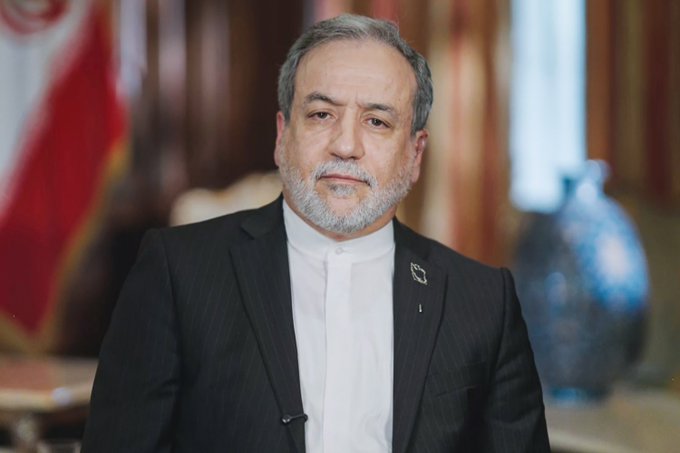
Iranian lawmakers have filed an impeachment motion against Foreign Minister Abbas Araghchi, accusing him of engaging in unauthorized contacts with U.S. officials during his recent visit to New York.
The motion was registered in Iran’s parliament on Tuesday, October 6, according to Mohammad Rashidi, a member of the parliamentary presiding board. However, the request had not yet been formally referred to the parliament’s presiding board, meaning the filing does not automatically trigger an impeachment hearing.
Dispute centres on US contacts
The impeachment effort focuses on Araghchi’s reported interaction with U.S. envoy Steve Witkoff on the sidelines of the United Nations General Assembly in New York on September 22.
Lawmakers supporting the motion allege that Araghchi conducted the contact without authorization from Iran’s Supreme Leader, Mojtaba Khamenei, or coordination with the country’s Supreme National Security Council.
Amirhossein Sabeti, the lawmaker who filed the motion, reportedly asked parliament Speaker Mohammad Bagher Ghalibaf to refer the case to the National Security and Foreign Policy Commission for examination.
Iranian media have reported differing accounts of whether Araghchi had authorization.
Tasnim reported that the meeting with Witkoff was not coordinated with Iran’s policy-making bodies, while Iranian state television said the contact followed repeated requests from the U.S. side and that Araghchi used the opportunity to communicate Tehran’s conditions.
Another member of parliament's National Security and Foreign Policy Commission, Mojtaba Zarei, defended Araghchi, saying the foreign minister had received the necessary authorization and was implementing decisions made by Iran's governing structures.
Motion does not mean Araghchi will be removed
The filing is the beginning of a parliamentary process rather than an immediate removal from office.
Mohammad Rashidi confirmed that the impeachment request had been registered but had not yet been sent to the parliament's presiding board. Another member of the presiding board, Alireza Salimi, also confirmed the filing while stressing that registration does not mean the motion will automatically be approved or placed on the parliamentary agenda.
The development comes as Araghchi remains central to Iran's diplomatic efforts involving the United States and the future of the Strait of Hormuz.
Iran has said the strategic waterway will remain closed until seven conditions agreed under an interim framework are fulfilled. Araghchi has also warned that Tehran is prepared to respond if Washington chooses military action rather than diplomacy.
Araghchi remains involved in diplomatic efforts
Despite the domestic criticism, Araghchi has continued to advocate negotiations as the route toward resolving the conflict with Washington.
On October 4, he told foreign ambassadors and diplomats in Tehran that he believed there was no military solution to the conflict and called for negotiations based on what he described as justice and diplomatic dignity. He also warned that Iran would respond if the United States resorted to military action.
The impeachment motion therefore comes at a sensitive moment for Iran's foreign policy, with disagreements inside parliament over how much authority Araghchi had to engage directly with American officials.
For now, Araghchi remains Iran's foreign minister, and the impeachment request has yet to progress to a formal parliamentary proceeding.