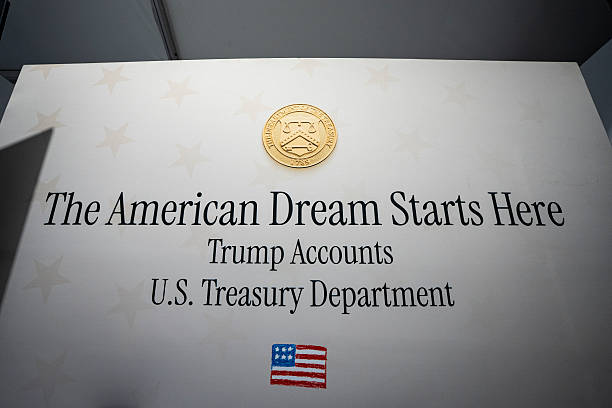
The U.S. Treasury Department has withdrawn two long-pending cryptocurrency surveillance proposals targeting self-custody wallets and crypto mixers, ending years of uncertainty over rules that had faced strong opposition from parts of the digital-asset industry.
The Financial Crimes Enforcement Network (FinCEN), Treasury’s financial-crime enforcement bureau, announced the withdrawals on October 5, 2026. The agency said the decision was part of the Trump administration’s broader deregulatory agenda and its effort to ensure digital-asset regulations are “fit-for-purpose.”
The two proposals had never taken effect, meaning their withdrawal does not remove existing cryptocurrency compliance obligations under U.S. law.
Self-custody wallet rule withdrawn
One of the withdrawn proposals dates back to December 2020 and focused on transactions involving so-called unhosted or self-hosted wallets.
These are cryptocurrency wallets where users control their own private keys rather than leaving their assets with an exchange, bank or other financial institution.
Under the proposed framework, banks and money services businesses would have faced additional reporting and recordkeeping requirements for certain transactions involving such wallets.
The proposal would have required reporting for transactions exceeding $10,000, including transactions that crossed that threshold when aggregated over a 24-hour period. It also proposed recordkeeping and customer-verification requirements for certain transactions exceeding $3,000.
FinCEN ultimately said it would take no further action on the proposal.
Crypto mixer proposal also scrapped
Treasury also withdrew a separate proposal introduced in 2023 concerning cryptocurrency mixing.
Crypto mixers combine and redistribute digital assets in ways designed to make transaction trails more difficult to follow. They can have legitimate privacy uses but have also attracted significant attention from U.S. authorities because of their use in illicit-finance investigations.
The withdrawn proposal would have designated international cryptocurrency mixing as a class of transactions of primary money-laundering concern under the USA PATRIOT Act and subjected financial institutions handling such transactions to additional requirements.
FinCEN said concerns raised during the public-comment process included the possibility that the proposal's broad definition of mixing could have a chilling effect on legitimate activity and create substantial reporting burdens for financial institutions.
The agency said it would continue monitoring crypto mixers and could take action in the future.
What the decision means for crypto users
The withdrawals represent a significant change for the regulatory proposals surrounding self-custody and privacy-focused cryptocurrency activity.
For users who hold assets in their own wallets, the abandoned rule means the proposed federal reporting framework for transactions involving unhosted wallets will not come into force in its proposed form.
However, the decision does not mean that cryptocurrency transactions are no longer subject to U.S. anti-money-laundering requirements.
Existing laws and regulations remain in place for banks, cryptocurrency exchanges and other covered financial institutions.
The Treasury's decision also does not establish that crypto mixers are legal or free from scrutiny. FinCEN has specifically indicated that it will continue monitoring mixing activity.
A shift in US crypto regulation
The withdrawals add to the evolving regulatory landscape for digital assets in the United States.
The wallet proposal had remained unresolved for nearly six years, while the mixer proposal had been under consideration since 2023. Both attracted extensive debate over the balance between combating money laundering and protecting financial privacy.
FinCEN's decision now removes two proposed measures that could have placed additional compliance obligations on cryptocurrency businesses and financial institutions.
For the crypto industry, the immediate effect is greater regulatory certainty around these particular proposals, although future rules governing self-custody, privacy technologies and digital-asset transactions remain possible.