Moscow is extending diesel export restrictions for domestic producers as it seeks to rebuild fuel stocks and protect supplies amid refinery disruptions and seasonal demand.
Russia will extend restrictions on diesel exports by domestic fuel producers through the end of October 2026 as the government seeks to protect domestic supplies amid refinery disruptions, maintenance work and efforts to rebuild fuel inventories.
The decision was reported by Vedomosti on September 15, citing two sources familiar with the outcome of a September 14 meeting chaired by Deputy Prime Minister Alexander Novak. Reuters subsequently reported the same development, while Russia’s RBC also cited a source confirming the extension.
The current restriction on diesel exports by producers was scheduled to expire on September 30. The extension means the measure will continue through October, although exports covered by international agreements and humanitarian shipments remain exempt.
Russia prioritises domestic fuel supplies
The export restriction is part of a broader effort by the Russian government to stabilise its domestic fuel market.
Russia introduced temporary restrictions on fuel exports in 2025, initially targeting diesel traders and smaller refineries. In July 2026, the government expanded the diesel restriction to all domestic producers. The measure was subsequently extended several times as authorities sought to increase supplies and rebuild inventories.
The Russian government has said its export decisions are being determined by conditions in the domestic petroleum-products market, production levels, inventories and demand.
Russia’s Energy Ministry has also indicated that restrictions could be adjusted once fuel supplies become sufficient and the domestic market stabilises.
The government’s stated priority is ensuring that the domestic market receives adequate fuel supplies before larger volumes are allowed to leave the country.
Refinery maintenance adds pressure
The October extension comes as Russian refineries prepare for or carry out seasonal maintenance.
According to Vedomosti, analysts cited the postponement of scheduled refinery maintenance to the autumn and the need to replenish fuel stocks as factors behind the decision to keep the export restrictions in place.
The timing is significant because diesel demand traditionally increases during the transition toward winter fuel specifications and during seasonal agricultural activity.
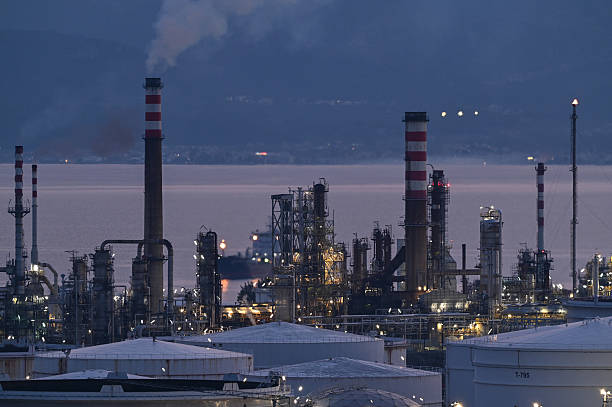
Russia has also been dealing with damage to oil-refining infrastructure caused by Ukrainian drone attacks.
Reuters reported that three of Russia's six largest diesel-producing refineries had significantly reduced production or halted operations in September because of damage linked to drone attacks.
Those disruptions have added pressure to a domestic fuel market that Moscow is already trying to protect through export controls and other measures.
Restrictions have been repeatedly extended
Russia's current policy has developed through several stages.
In July, the government introduced a new temporary export regime covering gasoline, diesel, marine fuel and gasoil. Under the original July framework, restrictions on diesel and marine fuel exports by direct producers were scheduled to ease from September. However, an August government resolution subsequently extended the producer restrictions through September 30.
The August 28 government resolution specifically extended the prohibition on exports of diesel, marine fuel and other gasoils by direct producers through September 30.
The latest October extension therefore represents another continuation of the policy rather than the introduction of an entirely new export regime.
Russia is also maintaining a separate restriction on gasoline exports, which is scheduled to remain in place until January 31, 2027.
Global diesel market already under pressure
The Russian decision comes at a time when international diesel markets are facing significant supply constraints.
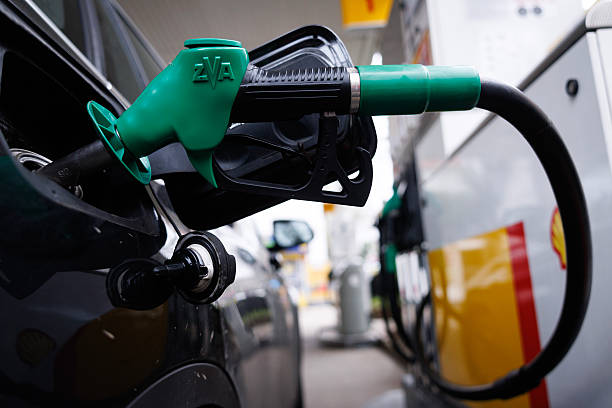
Reuters reported on September 21 that global diesel shortages linked to disruptions from the wars in Iran and Ukraine could persist into 2027. U.S. diesel inventories had fallen to their lowest September level since records began in 1982, while retail diesel prices in the United States had exceeded $6 per gallon for the first time.
European and U.S. diesel prices have also risen sharply as supply disruptions have affected several major producers and exporters.
Reuters reported that European diesel futures reached an all-time high in September, with prices more than doubling from their level at the beginning of 2026.
That broader market tightness means continued restrictions on Russian diesel exports could have implications beyond Russia, particularly for international buyers that rely on alternative suppliers when Russian fuel is unavailable.
Russia says sanctions also limit international supply
Russia has also argued that lifting its export restrictions alone would not necessarily result in large quantities of diesel reaching international markets.
On September 25, Kremlin spokesman Dmitry Peskov said Russia could increase diesel supplies to international markets if countries imposing sanctions on Russian fuel removed those barriers.
According to S&P Global, Peskov said Russia would need access to international markets without sanctions and other restrictions for its diesel exports to significantly increase global supply.
The comments highlight the distinction between Russia's domestic export restrictions and the separate sanctions and import restrictions imposed by various countries on Russian energy products.
What the extension could mean for fuel markets
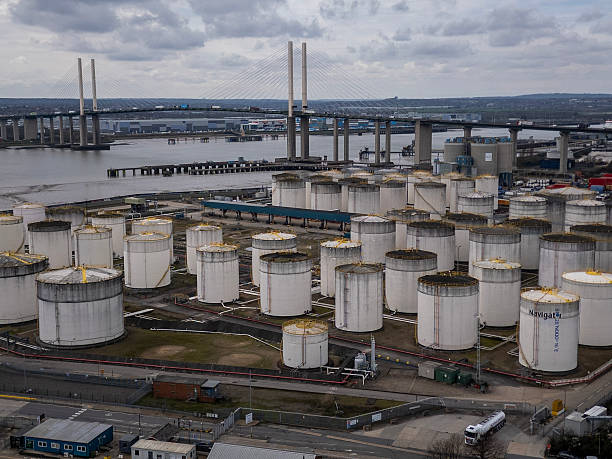
For Russia, the immediate objective is to keep sufficient diesel available inside the country and build inventories before winter.
Vedomosti reported that analysts expected the extension to help moderate seasonal price pressure in the Russian domestic market. The newspaper also cited analysts who expected wholesale diesel prices to remain relatively stable, although temporary increases could occur.
For international markets, however, the continuation removes another potential source of diesel supply at a time when inventories are already tight in several major consuming regions.
India has said it will continue exporting diesel as global markets face tighter supplies. Its Energy Minister Hardeep Singh Puri said in September that India would maintain its exports, pointing to the country's expanding refining capacity.
That makes alternative suppliers increasingly important as Russia keeps restrictions on its own exports.
Export policy remains tied to domestic conditions
Russia's Energy Ministry has stressed that its export restrictions are not necessarily permanent and can be modified when domestic conditions improve.
The ministry has said decisions will take into account fuel production, stock levels and domestic demand. If sufficient supplies are built and the market stabilises, restrictions could be adjusted.
For now, however, the extension through October signals that Russian authorities still consider domestic fuel security a priority over restoring unrestricted diesel exports.
The decision also comes against a complicated backdrop of refinery maintenance, attacks on Russian energy infrastructure, seasonal demand and tight global diesel inventories.
With international diesel markets already under pressure, the continuation of Russia's export restrictions will be closely watched by fuel traders, refiners and importing countries as they assess available supplies heading into the final months of 2026.