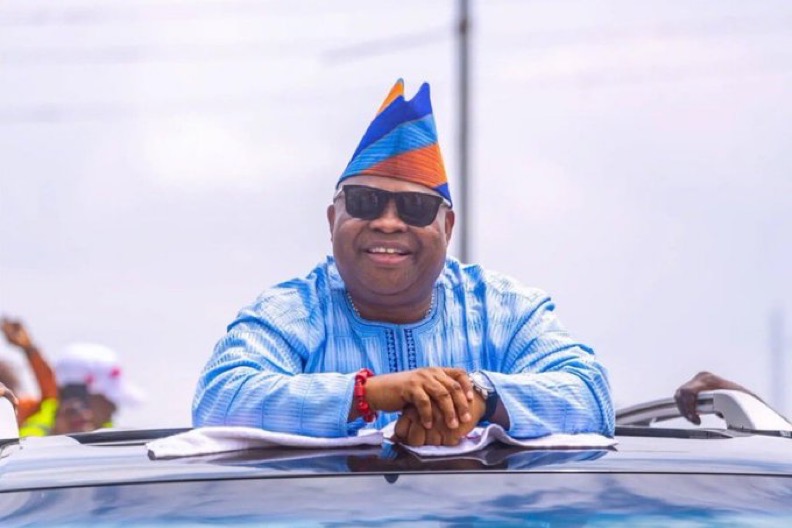
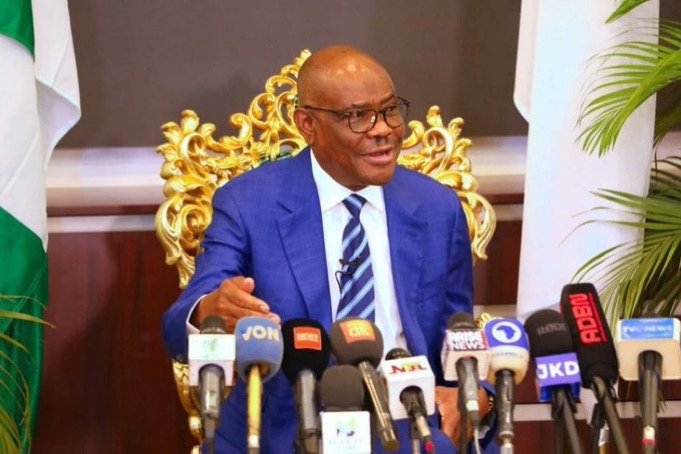
IBADAN — Oyo State Governor Seyi Makinde has publicly criticized the federal government’s approach to security, alleging that President Bola Tinubu was responsible for Lagos State’s decision not to participate in the Amotekun security network.
The Allegations
During a joint rally of the Peoples Democratic Party (PDP) and the Allied Peoples Movement (APM) in Ibadan on Thursday, May 28, 2026, Governor Makinde addressed the issue of state police and regional security. He characterized Amotekun as a "stop-gap" measure created by South-West governors after the federal government failed to approve full state police powers.
Regarding Lagos State’s absence from the regional security architecture, Makinde stated:
"The only state that didn’t create Amotekun is Lagos State, and we know it is because their boss [President Bola Tinubu] didn’t want Amotekun."
Context and Security Debate
Governor Makinde’s comments come amidst heightened concern over insecurity in Oyo State, following the abduction of 32 persons, including pupils and teachers, in the Oriire Local Government Area on May 15.
The governor used the platform to renew his call for the decentralization of policing. He urged the federal government to stop relying on federal bureaucratic processes such as tasking the Inspector-General of Police with the creation of state police and instead empower state assemblies to enact their own policing legislation. He argued that if the political will exists, state police forces could be established by state houses of assembly across the country within a very short period.
Background on Amotekun in Lagos
The relationship between Lagos State and Amotekun has been a subject of public discussion since the outfit's inception in 2020. While the Lagos State House of Assembly passed a bill in March 2020 to create an Amotekun corps as a special unit of the Lagos State Neighbourhood Safety Corps, the state did not fully integrate the regional Amotekun model in the same manner as other South-West states.
In 2021, Lagos State Governor Babajide Sanwo-Olu explained that Lagos adopted a different approach, citing the state’s unique security challenges which revolve more around urban issues like cultism and traffic robbery rather than the forest-based threats faced by other states and the decision to instead strengthen the existing 6,500-strong Neighbourhood Safety Corps.