Crude prices edged higher as geopolitical uncertainty surrounding the Middle East kept a risk premium in oil markets despite signs that regional exports are recovering.
Oil prices rose on Wednesday as concerns over continued disruption to Middle East energy supplies outweighed signs that crude exports from the region were gradually recovering.
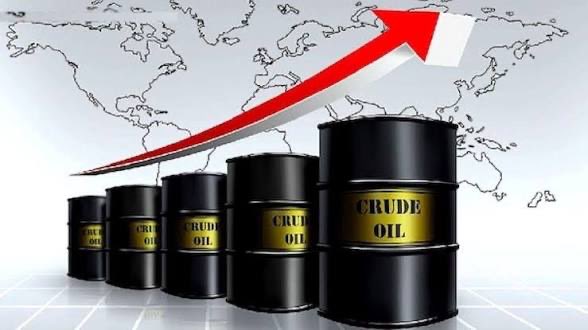
Brent crude futures rose 71 cents, or 0.69%, to $103.30 a barrel by 0408 GMT, while the more active December Brent contract gained 35 cents to $96.51. U.S. West Texas Intermediate crude was up 43 cents, or 0.48%, at $89.81 a barrel.
The gains came a day after oil prices fell sharply as traders responded to improving crude flows from the Middle East. On Tuesday, Brent fell 2.6% to settle at $102.59, while WTI declined 3.5% to $89.38.
Despite the latest recovery, oil prices remain significantly higher than earlier in the year as the conflict involving the United States, Israel and Iran continues to disrupt energy markets.
Geopolitical uncertainty keeps oil markets elevated
The latest price movement reflects continuing uncertainty over the future of oil supplies from the Middle East.
The Strait of Hormuz remains a major source of concern for traders because it is one of the world's most important routes for crude and petroleum-product shipments.
The International Energy Agency said in September that renewed hostilities had caused further disruptions to oil exports from the region. It warned that if Gulf supplies remained constrained while commercial inventories continued to fall, higher prices and weaker demand could be needed to bring the market back into balance.
That risk has kept a geopolitical premium in crude prices even as some physical supply routes have begun to recover.
Middle East exports are recovering
The market is receiving some relief from increasing exports.
Kpler data showed that crude exports from Middle Eastern producers reached about 16.328 million barrels per day in September, the highest level since the U.S.-Israeli war with Iran began in late February.
Saudi Arabia has also resumed tanker loadings from its Red Sea export hub of Yanbu after restarting operations on its East-West Pipeline.
The pipeline had been disrupted following attacks, creating concerns about Saudi Arabia's ability to move crude to the Red Sea and international markets.
Its restart has helped improve the outlook for regional supply, although traders continue to monitor whether the recovery can be sustained.
The recovery in exports means the physical oil market is not facing the same degree of immediate supply loss feared earlier in the conflict. Nevertheless, the security situation remains unstable, leaving markets vulnerable to another disruption.
Oil still heading for monthly gains
Despite Tuesday's sharp decline, Brent is still on track for a substantial monthly gain.
Reuters reported that Brent was heading toward a gain of around 14% in September, which would represent its strongest monthly performance since July. WTI was on course for an increase of about 4%.
The contrast between daily price movements and the broader monthly trend highlights the volatility created by the Middle East conflict.
Prices can fall when additional supply reaches the market, but geopolitical developments can quickly reverse those declines when traders fear that exports or transportation routes could be disrupted again.
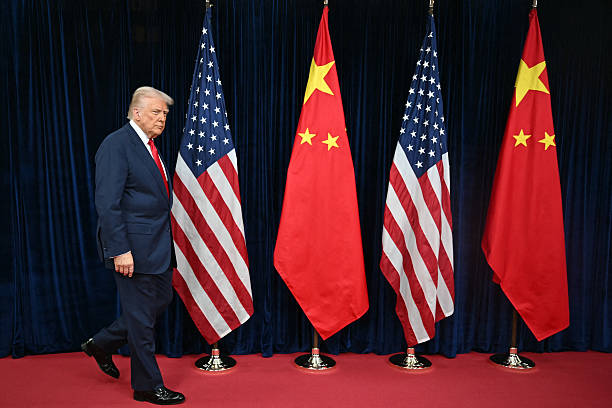
Trump rejects reports of sanctions relief
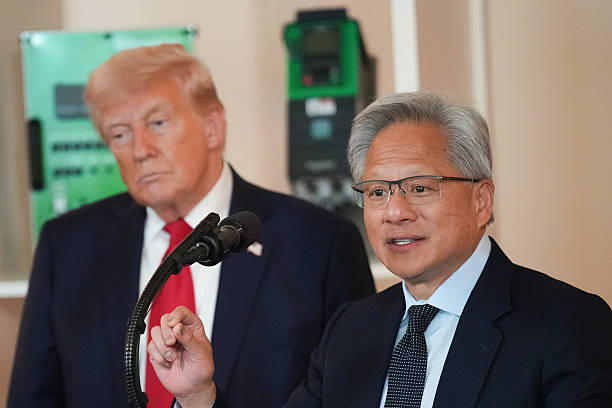
The latest rise in oil prices also followed comments from U.S. President Donald Trump regarding Iran.
Trump denied reports that he was prepared to ease sanctions on Iran or release frozen Iranian funds in exchange for Tehran taking steps related to its nuclear programme.
The comments added uncertainty to expectations for a possible diplomatic breakthrough between Washington and Tehran.
Qatar has meanwhile expressed hope that diplomatic efforts between Iran and the United States could produce progress.
For oil traders, the possibility of diplomacy is important because a reduction in tensions could eventually improve the flow of crude through disrupted routes. Conversely, a deterioration in negotiations could reinforce concerns about supply.
Saudi pipeline restart provides some relief
Saudi Arabia's reopening of its East-West Pipeline has become one of the key developments watched by the market.
The pipeline connects Saudi oil production with its Red Sea export infrastructure, providing an alternative route that can reduce the country's dependence on shipments through the Strait of Hormuz.
Saudi Arabia resumed tanker loading at Yanbu after restoring pipeline operations, according to trade sources and shipping data. The move contributed to the recovery in Middle Eastern exports.
The increase in Saudi flows helped push oil prices lower during Tuesday's trading session, but the market remains cautious because other supply and transportation risks have not disappeared.
Diesel markets face additional pressure
The disruption has also affected refined petroleum products, particularly diesel.
Reuters reported that U.S. diesel futures rose 2.6% on Tuesday, while European diesel contracts edged lower. The difference reflects separate supply pressures in the two markets.
Global diesel markets have been under pressure from disruptions to refining capacity in the Middle East and Russia.
U.S. diesel exports have increased as American producers have helped compensate for supply shortages elsewhere. But that has also reduced domestic inventories, creating political pressure in Washington to consider measures that could keep more diesel inside the United States.
Any significant restriction on U.S. diesel exports could have consequences for international fuel markets because Europe and several Latin American countries rely heavily on American refined-product supplies.
Markets remain sensitive to further disruptions
The latest oil-price movement illustrates the competing forces facing the market.
On one side, Middle Eastern exports are recovering, Saudi Arabia has restored an important pipeline route and diplomatic efforts involving Iran could eventually reduce geopolitical tensions.
On the other, the conflict remains unresolved, shipping through key regional routes remains exposed to security risks, and traders continue to worry about possible disruptions to crude and refined-product supplies.
The IEA has warned that the combination of constrained Gulf supplies and declining inventories could create further upward pressure if disruptions persist.
For consumers and businesses, sustained high crude prices could continue to feed into transportation and energy costs. Higher fuel prices can also contribute to broader inflationary pressure, particularly when they persist for an extended period.
For producers and traders, the immediate focus remains on the security of Middle Eastern export routes, the pace of Saudi supply recovery and developments in U.S.-Iran diplomacy.
For now, oil markets remain caught between improving physical supply flows and continuing geopolitical risks — a combination that is likely to keep crude prices volatile.