Trump Signals Openness to Chinese Car Production
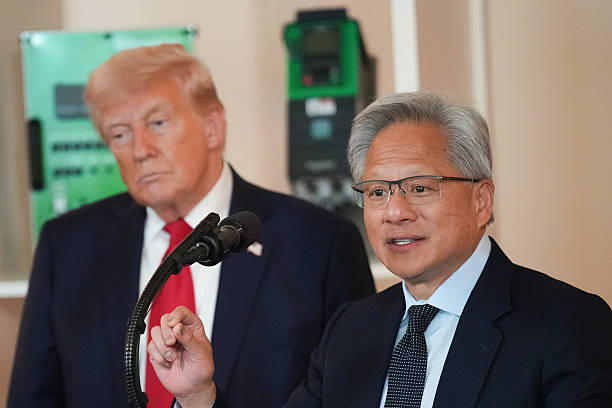
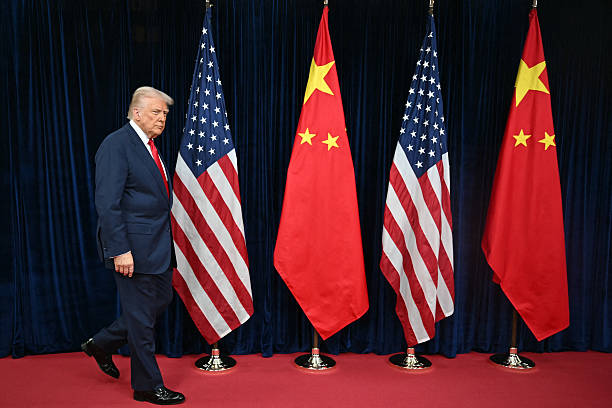
President Donald Trump has indicated that he would be open to Chinese automakers establishing factories in the United States and producing vehicles for the American market.
Trump made the comments in a September 11 interview with Fox News, saying he would accept Chinese companies building cars in the U.S. as long as they employ American workers. He contrasted the potential arrangement with Chinese vehicles being manufactured in Mexico and then shipped into the United States.
The comments have renewed debate over whether Washington could eventually allow Chinese automakers such as BYD to establish a direct manufacturing presence in the United States.
However, no policy change or agreement allowing Chinese automakers to begin U.S. production has been announced.
Existing Restrictions Remain in Place
Chinese automakers currently face significant barriers to entering the U.S. passenger-vehicle market.
A Biden-era national-security rule adopted in January 2025 restricts Chinese-linked connected-vehicle software and hardware. Reuters reported that the rules effectively prevent Chinese automakers from selling or producing passenger vehicles in the United States under the existing framework.
The United States also maintains a 100% tariff on Chinese electric vehicles.
Those measures were introduced amid concerns over connected-car technology, data collection and potential national-security risks associated with vehicles that contain communications and other digital systems.
Trump's latest comments therefore represent an opening to a possible policy change, rather than confirmation that Chinese EV manufacturers have been given permission to begin production.
Trump Wants American Workers Employed
A key condition in Trump's remarks was employment.
The president said he would be comfortable with Chinese companies opening plants in the United States if they hired American workers, drawing a comparison with Japanese automakers that operate manufacturing facilities across the country.
Trump has previously expressed a similar position. In January, he said Chinese companies could build factories in the United States if they hired American workers.
The idea could potentially involve Chinese investment in U.S. manufacturing, while production would take place domestically rather than importing completed vehicles from China.
Trump has separately rejected the idea of Chinese companies building vehicles in Mexico and then shipping them into the American market.
U.S. Auto Industry Pushes Back
Trump's comments have drawn opposition from major U.S. automotive industry groups.
Six industry organisations representing automakers, suppliers and dealers sent a letter to Trump urging his administration to keep Chinese automakers from selling, importing or manufacturing vehicles in the United States.
The organisations include the Alliance for Automotive Innovation and the National Automobile Dealers Association, whose members include major manufacturers such as General Motors, Ford, Toyota, Volkswagen, Hyundai, Stellantis and Tesla.
The groups argue that allowing Chinese automakers to establish domestic factories could give them a foothold in the U.S. market and create competitive and national-security concerns.
The White House responded that the administration is working with American automakers to strengthen U.S. automotive manufacturing while safeguarding national and economic security.
BYD Could Become a Key Test Case
One company closely associated with the debate is BYD, China's largest electric-vehicle manufacturer.
Reuters reported that BYD founder Wang Chuanfu was among the Chinese business executives potentially being considered for President Xi Jinping's U.S. visit, although the final delegation had not been confirmed at the time of the report. Other companies under consideration included battery makers CATL and Gotion.
The possibility of Chinese business leaders accompanying Xi has increased attention around potential discussions involving market access, manufacturing and investment.
It does not, however, establish that an agreement over Chinese vehicle production has been reached.
Possible U.S.-China Trade Dimension
Trump's comments come as Washington and Beijing prepare for further high-level discussions.
The automotive industry is only one part of the broader U.S.-China economic relationship, which also includes tariffs, technology, critical minerals and supply chains.
The possibility of Chinese automakers manufacturing in America could therefore become part of a wider conversation about Chinese investment and access to the U.S. market.
Earlier this year, discussions were also reported involving the possibility of Chinese automakers partnering with American companies through joint ventures.
A February report said Ford CEO Jim Farley had discussed a potential framework with Trump administration officials under which Chinese automakers could work with U.S. companies, potentially with the American partner maintaining a controlling stake. The discussions were described at the time as preliminary, with no decision made.
Security and Data Concerns Remain
The debate is not solely about jobs or vehicle prices.
Connected electric vehicles can collect and process substantial amounts of information through cameras, sensors, navigation systems, mobile connections and other technologies.
U.S. officials have therefore treated connected-vehicle technology as a national-security issue.
The existing restrictions were designed partly around concerns that Chinese-controlled vehicle technology could potentially collect sensitive information about American users.
Industry groups opposing Chinese vehicle production have cited similar concerns while arguing that allowing Chinese companies to establish manufacturing operations would weaken the position of existing U.S. manufacturers.
No Final Decision Yet
Despite Trump's comments, there is currently no confirmed policy allowing Chinese automakers to freely manufacture and sell passenger vehicles in the United States.
The administration would have to address existing regulations, tariffs and national-security restrictions before Chinese manufacturers could establish a conventional presence in the U.S. passenger-car market.
There is also political opposition from lawmakers and established automotive companies.
Trump's position is therefore best understood as an indication that he is open to considering domestic Chinese vehicle manufacturing under certain conditions, rather than an announcement that the market has already been opened.
The issue could become more significant as the United States and China negotiate broader trade and investment matters.
For Chinese automakers, access to U.S. manufacturing could provide a route into one of the world's largest vehicle markets while avoiding some of the complications associated with importing finished vehicles.
For U.S. manufacturers, the potential arrival of heavily competitive Chinese EV producers would raise questions about pricing, supply chains, employment, technology and market share.
The outcome will depend on whether the Trump administration ultimately changes the existing regulatory framework and what conditions would accompany any future approval