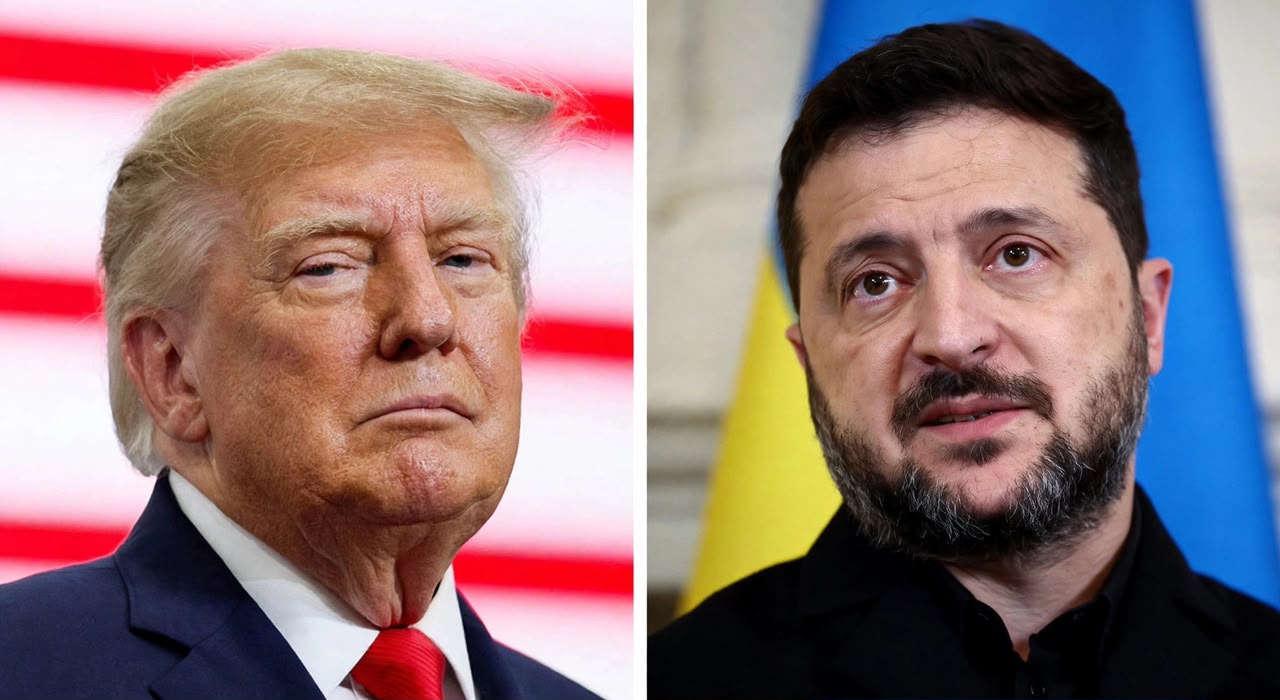
Ukrainian President Volodymyr Zelenskyy has criticised US President Donald Trump’s decision to ease sanctions on Russian diesel exports, describing the move as a “happy birthday present” for Russian President Vladimir Putin and calling it a weak decision by Washington.
Zelenskyy’s remarks followed Trump’s announcement that the United States had reached an agreement with Putin to allow Russian diesel fuel to enter US and global markets. The decision marks a significant shift in Washington’s approach to economic pressure on Moscow amid Russia’s ongoing war against Ukraine.
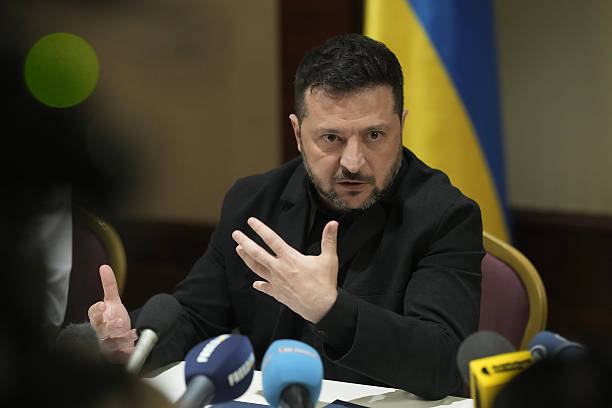
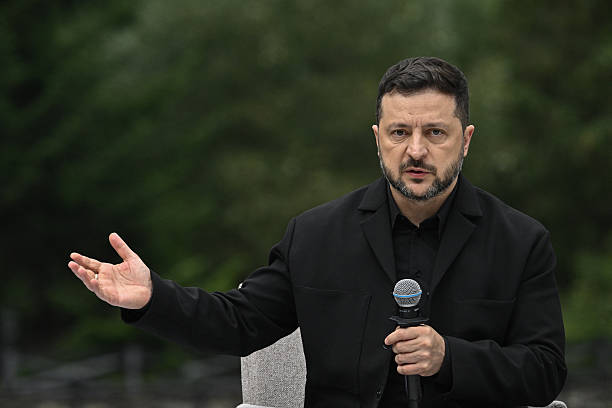
Speaking in a telephone interview with Axios on October 9, Zelenskyy expressed frustration over the announcement, arguing that easing restrictions on Russian energy exports could provide Moscow with additional financial resources to sustain its military campaign.
“You know, it looks like a happy birthday present for Putin. It looks absolutely terrible,” Zelenskyy said. He also described the decision as “a weak decision,” questioning why the United States would relax pressure on Russia while efforts to negotiate an end to the war remain ongoing.
Trump Defends the Deal as Fuel Prices Rise
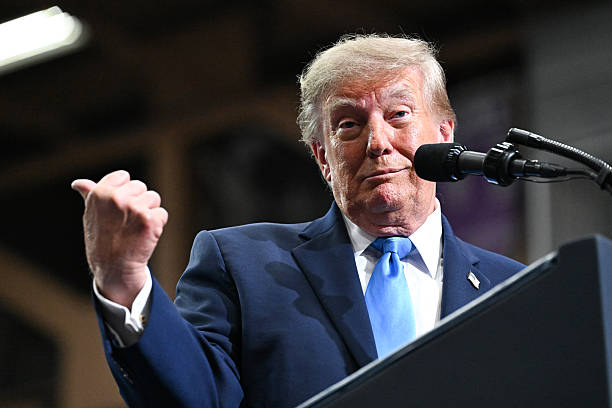
Trump announced the agreement following a telephone conversation with Putin, saying Russia would supply diesel fuel to American and international markets.
The US president presented the arrangement as an effort to increase fuel supplies and reduce prices, particularly for American farmers, truckers and businesses that depend heavily on diesel.
Trump said Russia would immediately provide more than 300,000 tonnes of diesel, followed by another 500,000 tonnes in November and further supplies afterward. The precise commercial arrangements and implementation of the proposed shipments have not been fully detailed publicly.
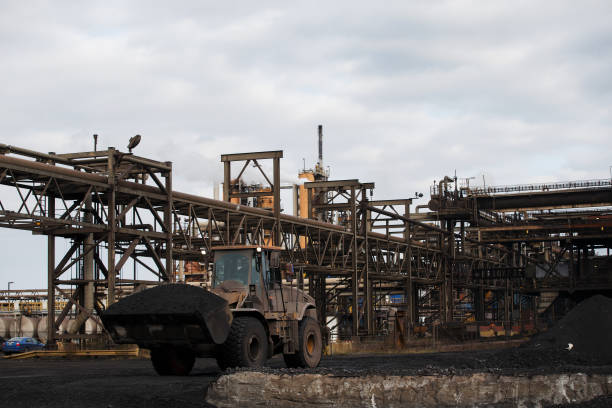
The announcement comes as rising energy costs place pressure on American households and businesses. Diesel is particularly important to freight transportation, agriculture, construction and other industries, meaning higher prices can increase operating costs and contribute to wider inflation.
Trump has argued that additional supplies could help bring prices down. However, the decision has raised questions about whether short-term economic benefits should take precedence over the wider strategy of using sanctions to pressure Russia over its invasion of Ukraine.
Zelenskyy Warns Russia Could Use the Money to Continue the War
Zelenskyy’s central objection is that allowing Russia to sell more petroleum products could generate revenue that Moscow could use to finance its war effort.
The Ukrainian president argued that the decision sends the wrong signal at a time when international partners should be working to increase pressure on Russia and encourage a lasting end to the conflict.
In his public response, Zelenskyy warned that easing restrictions could enable Russia to continue its attacks and prolong the war rather than encourage meaningful de-escalation.
He also questioned the fairness of the decision, particularly because Ukrainian and European officials were holding discussions with American representatives about efforts to resolve the conflict when Trump announced the agreement with Putin. Zelenskyy suggested that Ukraine’s delegation had been left out of an important development affecting its security.
For Kyiv, the issue extends beyond fuel prices. Ukraine has consistently called on its allies to restrict Russian revenue sources, including energy exports, arguing that Moscow uses the proceeds to support its military operations.
The temporary easing of restrictions therefore risks creating further disagreements between Washington and Kyiv over how to balance economic interests with support for Ukraine.
US Issues Temporary Authorisation for Russian Diesel
Following Trump’s announcement, the US Treasury Department’s Office of Foreign Assets Control issued General License 135, authorising specified transactions involving the sale, delivery, unloading and importation of Russian-origin diesel fuel.
The authorisation is temporary and applies to qualifying transactions under the licence. It does not amount to a complete removal of all US sanctions against Russia.
The move nevertheless provides a route for Russian diesel supplies to reach international markets under the conditions set out in the authorisation, representing a notable adjustment to Washington’s sanctions policy.
The decision has drawn criticism because sanctions have been a central part of the US and allied response to Russia’s full-scale invasion of Ukraine. Supporters of maintaining the restrictions argue that allowing additional Russian energy exports could weaken the economic pressure intended to influence the Kremlin’s conduct.
The administration, however, is also facing domestic pressure over rising fuel costs and the economic consequences of expensive energy.
Decision Raises Questions About US Support for Ukraine
The diesel agreement has added tension to an already difficult relationship between Washington and Kyiv.
Trump’s announcement came as US envoys Steve Witkoff and Jared Kushner were meeting Ukrainian and European officials in Miami to discuss proposals related to ending the war.
Zelenskyy said the Ukrainian side had not been informed that a diesel agreement with Russia was being considered. He questioned the timing of the announcement and whether easing sanctions would encourage Putin to negotiate seriously.
The disagreement highlights a fundamental difference in priorities. The Trump administration has emphasised the potential economic benefits of increasing fuel supplies, while Ukraine fears that new revenue for Russia could undermine its military position and weaken the pressure needed to secure a settlement.
The development could also complicate coordination among the United States, Ukraine and European governments, some of which have supported maintaining strong restrictions on Russian energy exports.
What Happens Next?
The immediate impact of the agreement will depend on how much Russian diesel reaches the market, how quickly the shipments are delivered and whether additional supplies translate into lower prices.
Even if the arrangement increases available fuel, the effect on prices is not guaranteed. Global energy prices are influenced by multiple factors, including production levels, transportation costs, refinery capacity, geopolitical risks and demand.
The longer-term consequences may be more political than economic. Ukraine is concerned that allowing Russia to earn additional revenue could weaken the international effort to pressure Moscow into ending the war.
For Trump, the challenge will be to demonstrate that the agreement can deliver meaningful economic benefits without undermining relations with Ukraine and other partners.
Zelenskyy’s response makes clear that Kyiv views the decision as a setback. By describing it as a birthday present for Putin and a weak decision by Washington, the Ukrainian president has placed the disagreement at the centre of renewed debate over sanctions, energy security and the future of Western support for Ukraine.