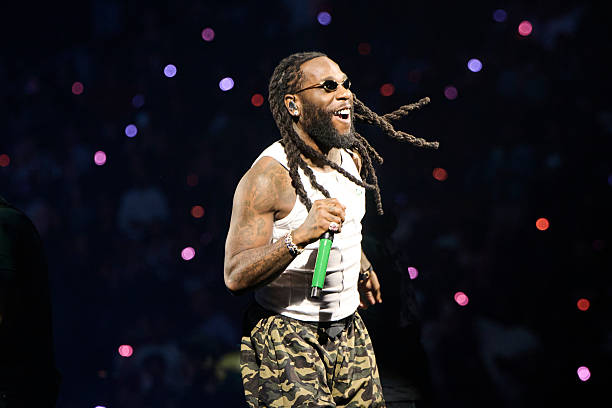
LOS ANGELES — An unprecedented moment for global pop culture and the international music industry, Nigerian megastar Damini Ebunoluwa Ogulu, known professionally as Burna Boy, alongside iconic Colombian singer Shakira, has shattered a long-standing music record. Their collaborative anthem, “Dai Dai,” produced as an official theme for the 2026 FIFA World Cup, has officially become the highest-charting World Cup song in modern music history across major international singles listings.
The explosive track surged twenty-five places this week on the global charts to reach a new peak at number seventeen, effectively surpassing the benchmark previously held for sixteen years by Shakira’s own 2010 South Africa tournament anthem, “Waka Waka (This Time for Africa),” featuring South African group Freshlyground.
The historic leap highlights the dominant cross-cultural impact of the record, which is currently contending for the number one position on the United Kingdom Official Singles Chart while securing a peak position at number three on the Canadian Hot 100.
The Historic Milestone: Overtaking "Waka Waka" and Dominating International Charts
The phenomenal chart trajectory of “Dai Dai” represents a watershed moment for the global integration of contemporary African music.
When Shakira released “Waka Waka” ahead of the 2010 FIFA World Cup in South Africa, it set a golden standard for sporting anthems, blending Latin pop melodies with Southern African soca and traditional rhythms. The record held the record for highest peak placement and longevity for a tournament-affiliated single across global streaming and radio metrics for over a decade and a half.
However, the fusion of Burna Boy’s distinctive Afro-fusion delivery with Shakira’s signature Latin pop cadences on “Dai Dai” has generated unprecedented global resonance across North America, Europe, and Latin America. The single’s dramatic twenty-five-spot jump in a single tracking week reflects massive sync placements during broadcast coverage of the 2026 tournament, high-volume digital downloads, and viral social media adoption across video sharing platforms.
Music industry analysts note that achieving a top-three position on the Canadian Hot 100 while simultaneously challenging for the top spot on the official UK singles registry elevates “Dai Dai” into a rare class of multi-territorial pop hits, demonstrating that West African rhythms now serve as mainstream drivers for global sports entertainment branding.
End of an Era: Billboard Discontinues the World Digital Song Sales Chart
The record-breaking run of “Dai Dai” coincides with a pivotal structural shift within global music analytics, as Billboard officially announced the retirement of its long-standing World Digital Song Sales chart, with the final historical edition published on June 27, 2026.
For years, the World Digital Song Sales chart served as a primary statistical barometer for tracking non-English, regional, and emerging international genres within the American commercial market. The chart systematically ranked the top-selling digital tracks originating from territories across Sub-Saharan Africa, East Asia, South Asia, the Caribbean, and Latin America.
Over the last decade, African music icons used the publication as a launchpad to demonstrate their growing commercial viability within the western hemisphere. Nigerian Afrobeats trailblazers including Wizkid, Rema, and Mr Eazi frequently secured number-one positions on the chart, using those statistical milestones to secure major international record distribution deals, festival headline slots, and crossover collaborations.
Industry experts explain that Billboard’s decision to sunset the specialized chart reflects a broader transformation in how music is consumed and categorized worldwide. With streaming platforms dismantling geographical barriers, genre-specific niche charts have become largely obsolete as African, Latin, and Asian artists routinely compete on equal footing within primary overall listings such as the Billboard Hot 100, the UK Singles Chart, and the Billboard Global 200.
Expert Explanation: The Mechanics of Modern Charting and Sync Licensing
To fully appreciate how “Dai Dai” achieved its historic chart placement, it is important to examine the financial and technical mechanics of modern chart aggregation and sync licensing during major global sporting events.
Single charts in major music markets like the United Kingdom, Canada, and the United States utilize a formula known as Consumption Units to calculate an accurate picture of a song's popularity. This mathematical formula combines direct digital downloads, physical media sales, radio broadcast impressions, and audio-video streams from platforms such as Spotify, Apple Music, and YouTube.
For a World Cup anthem, the primary catalyst for rapid chart expansion is sync licensing—the legal authorization granted by record labels to broadcast networks, FIFA media partners, and stadium venues to play a musical composition during live televised matches, highlight packages, and promotional commercials.
Because the 2026 FIFA World Cup commands a global broadcast audience numbering in the billions, every official broadcast placement translates directly into Shazam queries, algorithmic playlist additions, and organic user engagement. Burna Boy and Shakira’s creative management teams capitalized on this global exposure by coordinating algorithmic playlist pitches and high-tempo remix packages, ensuring that broadcast exposure immediately translated into measurable streaming volume across primary commercial markets.
Why It Matters: Cultural Capital and the Monetization of Afro-Latin Fusion
The record-breaking success of “Dai Dai” carries profound cultural, commercial, and structural implications for the African creative economy and the broader international music publishing landscape.
From a cultural perspective, the collaboration represents the complete mainstreaming of Afro-fusion a genre coined by Burna Boy that synthesizes Nigerian highlife, dancehall, reggae, American hip-hop, and traditional Yoruba vocal arrangements. By pairing West Africa’s most prominent male vocalist with one of Latin America's most successful female pop legends, the project creates a template for cross continental cultural exchange that bypasses traditional Western-centric pop channels.
Economically, the success of “Dai Dai” reinforces the high commercial value of African talent in major corporate sponsorships and global sports marketing. The revenue generated from international master rights, performance royalties, and publishing sync fees for a global tournament anthem provides substantial financial returns for African producers, songwriters, and creative directors involved in the production chain.
Furthermore, the track establishes a new precedent for how major international sports federations select global musical ambassadors. Rather than treating African music as a secondary or regional addition, global organizations now recognize that integrating Afrobeats artists is essential for capturing younger, digitally native audiences across Africa, Europe, and the Americas.
Background and Regional Context: Burna Boy’s Path to Global Dominance
Burna Boy’s record-breaking achievement with “Dai Dai” is the culmination of a decade long trajectory of international breakthrough and relentless touring.
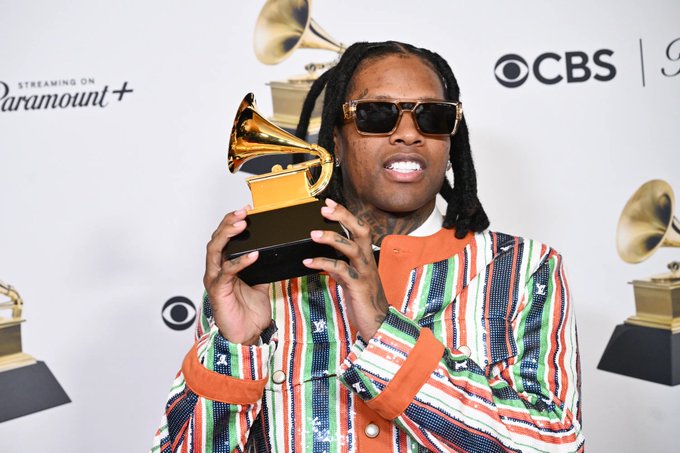
Following his Grammy Award victory for Best Global Music Album with his 2020 project “African Giant” and subsequent nominations for works like “Love, Damini,” the Port Harcourt born artist consistently broke performance records, becoming the first African solo artist to sell out major stadiums across North America, Europe, and the United Kingdom, including London’s 80,000 capacity Stadium and New York's Citi Field.
His partnership with Shakira on “Dai Dai” builds upon a historic legacy of African artists shaping world sports anthems. From Youssou N'Dour’s iconic 1998 France World Cup duet with Axelle Red on “La Cour des Grands,” to K'naan’s ubiquitous 2010 anthem “Wavin' Flag,” African vocalists have long provided the emotional soundtrack for international football tournaments.
As “Dai Dai” continues its historic run across radio playlists, streaming platforms, and stadium loudspeakers worldwide, Burna Boy’s achievement stands as a definitive milestone for African music. It demonstrates that contemporary Nigerian artists are no longer merely participating in international pop culture, but are actively defining its highest commercial standards on the world stage.