Former British Prime Minister Boris Johnson has condemned US President Donald Trump over Washington’s decision to ease sanctions on Russian fuel, describing the move as “sickening and ridiculous” and accusing the White House of helping finance Russia’s war against Ukraine.
Johnson argued that blaming Ukraine for rising fuel prices while easing restrictions on Russian fuel was unjustified, particularly as Russian forces continue their military campaign against Ukrainian cities and infrastructure. He also questioned whether the arrangement would significantly reduce fuel prices for American consumers.
Johnson Accuses Trump of Helping Finance Russia’s War
In a statement published on social media on October 10, Johnson criticised the decision to ease restrictions on Russian fuel imports and challenged Trump’s explanation that Ukrainian attacks on Russian oil facilities had contributed to rising prices.
“It is sickening that the USA is now lifting sanctions on Russian fuel, and transparently ridiculous to blame Ukraine for the spike in prices that obviously began with the closure of the Strait of Hormuz,” Johnson wrote.
The former prime minister said Russian President Vladimir Putin continued to wage war against Ukraine while Ukrainian forces fought to defend their country.
Johnson accused the White House of effectively making American motorists contribute to the financial resources available to Moscow by allowing Russian fuel back into the market.
He argued that if Russian oil and gas were to return to international markets on a broader scale, the priority should be ending the war while preserving Ukraine as a free, sovereign and independent country.
Johnson has consistently supported Ukraine since Russia launched its full-scale invasion in February 2022. His latest comments place him among European political figures criticising Washington’s decision to relax restrictions on Russian fuel.
Trump Defends Decision to Ease Russian Fuel Sanctions
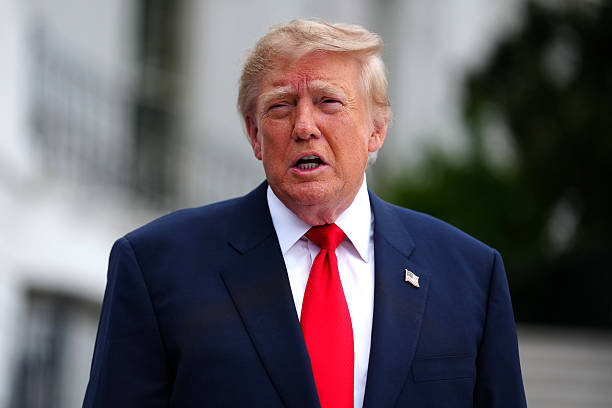
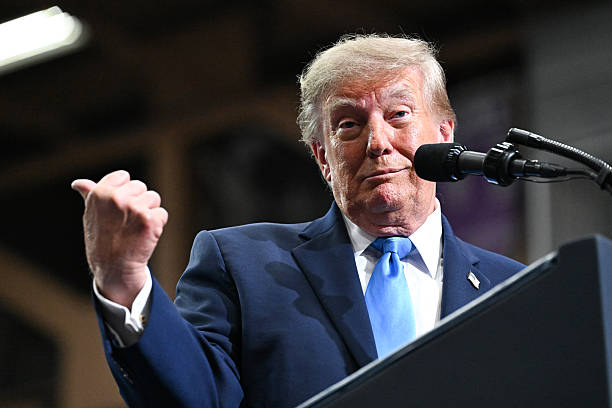
Trump announced the Russian diesel arrangement on October 9 after discussions with Putin, saying Russia would supply more than 300,000 metric tonnes of diesel to US and global markets.
The US administration presented the arrangement as a measure intended to increase fuel supplies and ease pressure on prices, which have risen sharply amid the wider energy crisis linked to the conflict involving Iran and disruptions around the Strait of Hormuz.
According to Reuters, the United States temporarily eased sanctions on Russian fuel that had been imposed in October 2025. Trump defended the decision on October 12, arguing that increasing supplies could help American farmers, ranchers and other consumers facing higher fuel costs.
The arrangement has nevertheless attracted criticism from lawmakers in both major US political parties, with opponents questioning whether the economic benefits would justify the potential consequences for Washington’s efforts to pressure Moscow over the war.
Some critics have also argued that allowing Russian fuel exports could weaken the broader sanctions strategy intended to restrict the Kremlin’s resources.
Johnson Questions Whether the Deal Will Lower Fuel Prices
Johnson also questioned the economic justification for easing sanctions, arguing that the move was unlikely to produce a substantial reduction in fuel prices.
He pointed to the disruption around the Strait of Hormuz as the starting point of the latest price increases, challenging Trump’s efforts to link higher costs to Ukrainian attacks on Russian energy infrastructure.
The Strait of Hormuz is a critical international shipping route for oil and other energy products. Disruptions there can affect global supplies and increase the cost of transporting fuel.
Trump’s administration has argued that additional Russian diesel supplies could help relieve pressure on the market. However, analysts cited by Reuters have expressed doubts that the announced volumes would be sufficient to produce a major reduction in prices.
The disagreement highlights a broader debate over whether temporarily relaxing restrictions on Russian energy exports can provide short-term economic relief without undermining efforts to limit Moscow’s ability to finance its military operations.
US Decision Draws Bipartisan Criticism
Johnson is not the only political figure to challenge the American decision.
Reuters reported on October 12 that lawmakers from both parties criticised the Russian diesel arrangement. Republican Senator Jerry Moran was among those expressing concern about the implications for sanctions policy, US credibility and Washington’s leverage over Moscow.
The criticism reflects competing priorities facing the US administration: reducing fuel costs for domestic consumers while maintaining economic pressure on Russia over its invasion of Ukraine.
Supporters of easing restrictions argue that additional supplies could help stabilise markets. Opponents counter that the arrangement risks providing economic benefits to Russia while the war continues.
The financial effect on Russia will depend on the volume of fuel sold, the revenue generated and how the transactions interact with the remaining sanctions restrictions.
UK and European Concerns Over Russian Energy
Johnson’s criticism comes amid wider European concern over Washington’s approach to Russian energy exports.
European governments have maintained sanctions intended to restrict Russian revenues and limit the resources available to support its military campaign. The UK has also pursued measures aimed at closing routes through which Russian-origin petroleum products can enter its market.
In June 2026, the British government announced a timetable to phase out imports of refined oil products made from Russian crude through third countries, with the relevant temporary licence scheduled to expire by January 1, 2027. The policy was presented as part of broader efforts to reduce Russia’s energy revenues.
The contrast between the British approach and Washington’s temporary easing of restrictions illustrates differences among Western governments over how best to balance energy-market pressures with sanctions against Russia.
Johnson’s comments add to the political pressure on Trump as the administration attempts to defend the arrangement to domestic audiences and international partners.
Johnson Calls for an End to the War
Johnson concluded his criticism by arguing that the return of Russian oil and gas to international markets should be linked to a settlement that preserves Ukraine’s sovereignty.
His position is that easing sanctions without ending the war risks allowing Russia to benefit economically while continuing its military campaign.
Trump’s administration, meanwhile, has defended the diesel arrangement as an effort to increase supplies and ease fuel-price pressures. Whether the deal will produce meaningful savings for consumers or significantly affect Russian revenues remains uncertain.
The dispute highlights the continuing tension between energy affordability, sanctions enforcement and Western support for Ukraine as the war enters another phase.