The International Monetary Fund (IMF) has advised the Nigerian government against restoring a broad-based petrol subsidy, recommending targeted financial assistance and social protection programmes to protect vulnerable households from rising energy costs.
The recommendation was delivered by Rodrigo Valdés, director of the IMF’s Fiscal Affairs Department, during a press briefing on the fund’s Fiscal Monitor at the 2026 IMF-World Bank annual meetings in Bangkok, Thailand, on Wednesday, October 14.
The IMF argued that keeping petrol prices artificially low through universal subsidies could place additional pressure on government finances while providing greater benefits to wealthier households that generally consume more fuel.
The advice comes as rising petrol prices continue to affect transportation costs, household spending and business operations in Nigeria, while calls for the government to reconsider its fuel subsidy policy intensify ahead of the 2027 general elections.
IMF Says Fuel Subsidies Are Costly and Regressive
The IMF maintained that broad-based fuel subsidies are an expensive way to protect households from increases in energy prices.
According to Valdés, universal subsidies can disproportionately benefit higher-income consumers because they tend to purchase and consume more fuel. At the same time, the government must commit substantial financial resources to maintaining lower prices for everyone, including households that may not need assistance.
“Protecting people is not the same as protecting the price of fuels,” Valdés said during the briefing.
He explained that fuel subsidies and similar measures that prevent domestic energy prices from fully adjusting to external supply shocks had cost countries between 1 and 1.5 per cent of gross domestic product in 2026.
The IMF's position is that governments should concentrate their resources on helping people who are most affected by higher energy costs rather than subsidising petrol consumption across the entire population.
For Nigeria, the recommendation presents a familiar policy challenge: how to ease the financial pressure on households without recreating a costly subsidy system that places additional demands on public finances.
IMF Recommends Targeted Financial Assistance
Rather than restoring a universal petrol subsidy, the IMF wants governments to strengthen social safety nets and develop mechanisms for identifying households that require assistance.
Davide Furceri, a division chief in the IMF's Fiscal Affairs Department, suggested that governments could direct support towards transportation and other essential expenses affected by rising fuel prices.
One option would be to provide assistance that reduces bus fares instead of subsidising petrol for every consumer. Such a programme could help commuters manage higher transportation costs while limiting the public expenditure required to deliver relief.
Other options identified by the IMF include school feeding programmes, assistance for vulnerable farmers and geographically targeted support for communities facing significant economic pressure.
Furceri said governments could redirect some of the resources used for universal subsidies towards these interventions.
He also acknowledged that implementing targeted assistance can be difficult in countries without comprehensive household registries or reliable digital payment systems. However, he said governments could adopt alternative arrangements in the short term while improving the systems needed to identify beneficiaries and deliver support.
The IMF's recommendation is that these interventions should be targeted, limited and temporary, rather than becoming another broad and potentially expensive subsidy arrangement.
Nigeria Faces Renewed Pressure Over Fuel Prices
Nigeria removed its longstanding petrol subsidy in May 2023, a policy change intended to reduce government expenditure and free up resources for other priorities.
However, the removal led to higher petrol prices, with consequences for transportation fares, food distribution, household budgets and the operating costs of businesses that depend on fuel.
The renewed pressure on consumers has kept the subsidy question at the centre of economic and political discussions. Rising international energy costs have added to concerns about how much households will have to spend on basic needs.
The IMF acknowledged that allowing energy prices to reflect market conditions can increase transportation expenses, contribute to inflation and worsen poverty. Its recommendation, however, is that governments should address those effects through targeted assistance rather than suppressing fuel prices for everyone.
The debate is particularly significant for lower-income households, which may spend a large share of their income on transport and other necessities. For these households, increases in petrol prices can affect access to employment, education, healthcare and markets.
The challenge for policymakers is to design relief programmes that reach these groups without creating additional fiscal pressures that undermine other public services.
Federal Government Introduces Temporary Petrol Discount
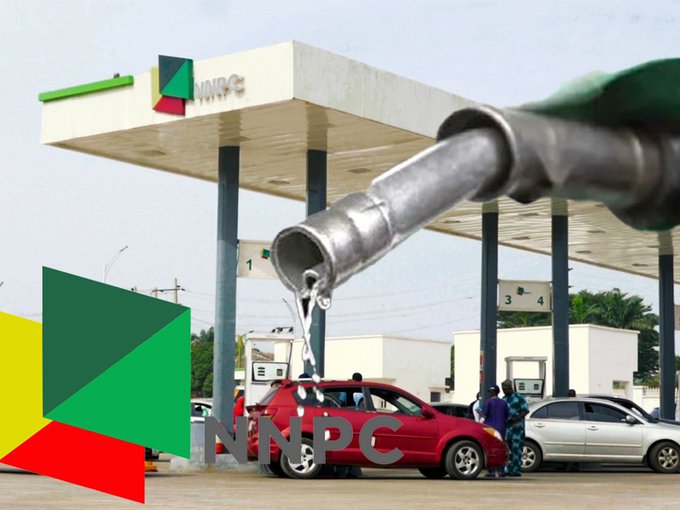
Amid the pressure from rising fuel costs, the Nigerian government recently announced a 30-day petrol discount at Nigerian National Petroleum Company Limited (NNPC Ltd) retail outlets, with priority given to public transport operators.
Finance Minister Taiwo Oyedele said the arrangement would allow NNPC retail outlets to sell petrol at cost by foregoing their retail profit margins. The initiative was presented as temporary relief rather than a return to the former petrol subsidy system.
The government also proposed negotiating a ceiling of ₦1,350 per litre on petrol's ex-gantry or landing cost, subject to monthly reviews, according to Vanguard.
The temporary discount illustrates the difficulty of balancing market-based fuel pricing with the need to reduce the immediate burden on commuters and businesses.
However, the IMF's recommendation points towards a different approach to longer-term relief: identifying the people most affected by rising prices and directing assistance towards their specific needs.
Whether the temporary discount will be followed by additional measures remains a matter for the Nigerian government.
IMF Warns Subsidies Can Intensify Energy Market Pressures
The IMF also argued that broad fuel subsidies can affect demand in ways that worsen pressure on energy markets during periods of constrained supply.
When governments keep prices artificially low, consumers have less incentive to reduce fuel consumption even when supplies become more limited. According to Valdés, this can prevent demand from adjusting to changes in global supply and contribute to further price pressure.
The fund therefore supports allowing energy prices to reflect market conditions while using targeted social protection measures to help vulnerable households cope with the consequences.
For Nigeria, this approach would require effective implementation. Assistance must reach the intended beneficiaries quickly enough to make a difference, particularly when transport costs and other essential expenses are rising.
Poorly designed targeting could leave some vulnerable households without support, while delays in distributing assistance could reduce its effectiveness. The IMF's acknowledgement of gaps in household data and digital payment systems highlights the practical challenges involved.
Balancing Fiscal Stability With Household Welfare
The IMF's latest advice places renewed emphasis on the relationship between public spending and social protection.
Restoring a broad petrol subsidy could provide widespread price relief, but it would also require government funding to cover the difference between market prices and the prices paid by consumers. The fund argues that such spending can be costly and may direct a disproportionate share of the benefits towards higher-income households.
Targeted programmes, by contrast, could concentrate public resources on transportation, food, education and other essential needs of vulnerable citizens.
For Nigeria, the effectiveness of that approach would depend on the government's ability to identify eligible households, establish transparent eligibility criteria and ensure that assistance reaches recipients without significant delays or leakages.
The policy debate is therefore not simply about whether petrol prices should rise or fall. It is also about how the government can protect household welfare while managing limited public resources.
As fuel costs remain a concern for Nigerians, the government faces pressure to provide meaningful relief. The IMF's recommendation is that such support should focus on vulnerable households rather than restoring a universal petrol subsidy.